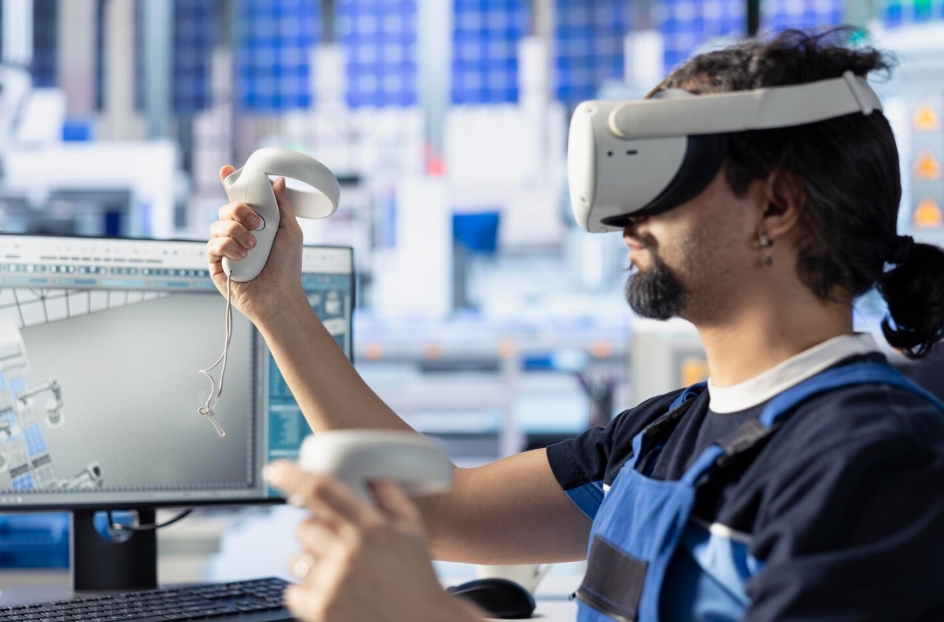
Automation and intelligent technology are transforming industries across the world, and machine vision is becoming one of the most valuable tools in modern operations. From manufacturing and logistics to healthcare and robotics, machine vision systems help businesses improve accuracy, efficiency, and quality control through advanced imaging and data analysis.
Innovative companies such as Scorpion Vision are helping organisations adopt vision technology solutions that support smarter automation and more reliable industrial processes.
What Is Machine Vision?
Machine vision refers to systems that use cameras, sensors, lighting, and software to capture and analyse visual information automatically.
Combining Hardware and Software
A machine vision system typically includes high-resolution cameras, image-processing software, sensors, and intelligent algorithms working together to inspect or monitor processes.
Supporting Automated Decision-Making
These systems can quickly identify defects, measure objects, detect patterns, and guide machinery without constant human input.
Improving Operational Efficiency
Machine vision allows businesses to perform inspections and analysis faster and more consistently than manual methods.
Industries Benefiting From Machine Vision
Machine vision technology is now used across a wide range of sectors.
Manufacturing and Production
Manufacturers rely on vision systems for quality control, product inspection, and automated assembly processes.
Logistics and Warehousing
Vision systems support inventory management, barcode scanning, package sorting, and automated warehouse operations.
Healthcare and Medical Technology
Medical imaging, laboratory analysis, and surgical guidance systems increasingly depend on advanced visual technology.
Robotics and Automation
Robotic systems use machine vision to navigate environments, identify objects, and perform precision tasks.
Key Benefits of Machine Vision Systems
Businesses adopting machine vision technology often experience major operational improvements.
Increased Accuracy
Automated vision systems can detect defects and inconsistencies with high levels of precision.
Faster Production Processes
Real-time inspection allows products and materials to move through production lines more efficiently.
Reduced Human Error
Automated systems maintain consistent performance without fatigue or distraction.
Better Data Collection
Machine vision systems generate valuable operational data that businesses can use to optimise processes and improve decision-making.
The Growing Role of Artificial Intelligence
Artificial intelligence is becoming increasingly integrated with machine vision technology.
Advanced Pattern Recognition
AI-powered systems can identify subtle irregularities and complex visual patterns that traditional systems may miss.
Continuous Learning Capabilities
Some machine vision systems can improve performance over time by learning from collected data.
Smarter Automation
Artificial intelligence enables systems to make more intelligent operational decisions based on real-time visual input.
Challenges Businesses Should Consider
While machine vision offers many benefits, successful implementation requires planning and expertise.
Initial Setup Costs
Advanced imaging systems and integration can involve significant upfront investment.
Integration With Existing Systems
Businesses may need to adapt current workflows and equipment to support new technology.
Ongoing Maintenance and Calibration
Regular updates and system calibration help maintain long-term accuracy and reliability.
Future Trends in Machine Vision
Machine vision technology continues to evolve rapidly as industries invest more heavily in automation.
Increased Use of Robotics
More industries are combining machine vision with robotics to automate complex tasks.
Real-Time Data Processing
Improved computing power allows systems to analyse visual information almost instantly.
Wider Industry Adoption
As costs decrease and technology improves, smaller businesses are increasingly adopting machine vision solutions.
How Businesses Can Prepare for Automation
Companies considering machine vision technology should focus on long-term operational goals.
Identify Repetitive Tasks
Automation is especially effective for repetitive inspection, measurement, or monitoring tasks.
Invest in Staff Training
Employees should understand how automated systems operate and how to work alongside new technologies.
Partner With Experienced Providers
Professional guidance helps businesses choose suitable systems and integrate them effectively.
FAQs
What is machine vision used for?
Machine vision is used for inspection, quality control, automation, object recognition, and process monitoring across various industries.
How does machine vision improve quality control?
Vision systems can quickly identify defects and inconsistencies with high accuracy during production processes.
Is machine vision only used in manufacturing?
No, machine vision is also widely used in healthcare, logistics, robotics, agriculture, and many other industries.
What role does AI play in machine vision?
Artificial intelligence helps systems recognise complex patterns, improve decision-making, and adapt to changing conditions.
Can smaller businesses benefit from machine vision?
Yes, as technology becomes more affordable, smaller businesses are increasingly using machine vision to improve efficiency and productivity.
Conclusion
Machine vision technology is transforming modern industries by improving automation, quality control, and operational efficiency. From manufacturing and healthcare to robotics and logistics, advanced imaging systems are helping businesses work smarter and more accurately than ever before. As artificial intelligence and automation continue to advance, machine vision is expected to play an even greater role in shaping the future of industrial innovation.