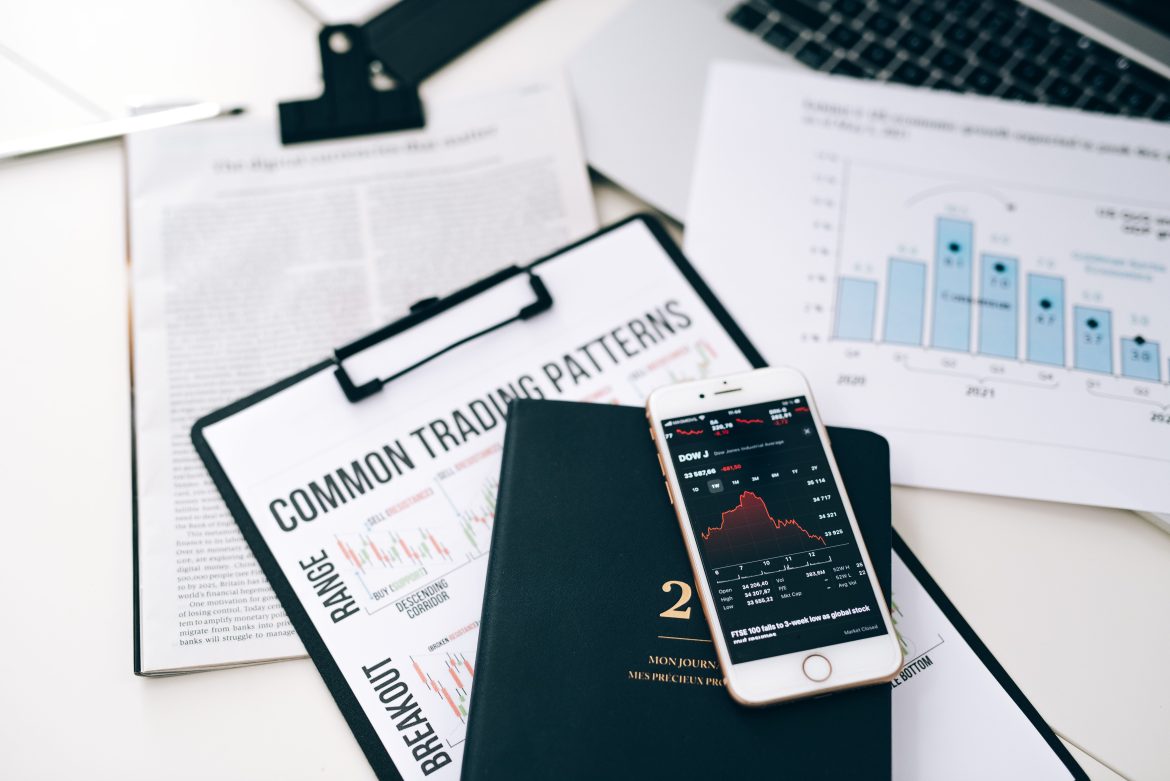
Indian markets are no longer isolated. Capital moves across borders in seconds, and a headline overnight can reshape sentiment before most of us finish breakfast. Traders who keep a close eye on Dow Jones Live movements often get an early sense of how global risk appetite is evolving. Meanwhile, regional participants frequently refer to the Hang Seng Index to gauge how Asian investors are positioning themselves. Learning to read these signals calmly, without panic or excitement, is a skill that separates consistent market participants from those who simply react.
The Logic Behind Global Correlation
Why should an Indian stock price care about what happens thousands of kilometres away? The answer lies in foreign portfolio investors, who spread their money across many emerging markets at the same time. When their mood turns negative, they tend to cut exposure in all markets (and India is no exception). When their mood brightens, they seek out growth opportunities – and India is a good bet.
Correlations are not always there. In some weeks, Indian markets will move in step with their overseas counterparts. In other weeks, strong domestic themes (election optimism, festive season, a stellar earnings season) will dominate. Participants who understand this nuance will find themselves in a stronger position.
Indicators Worth Tracking
There is no point in measuring every single indicator. A handful of relevant indicators will suffice, and trying to interpret all of them will simply waste time and create confusion. Watch the close of major overseas indices, and note whether they finished higher or lower (and by how much). Bond yields in major economies are also worth tracking, as tightening cycles usually hurt emerging markets. Crude oil is another important commodity to watch, as India is an importer and changes in its price will directly impact inflation, the fiscal balance and the rupee.
The health of the rupee is an important indicator, as a depreciating currency often indicates foreign outflows (which hurts importers and benefits exporters). Finally, volatility measures are also worth tracking, as they indicate the degree of uncertainty in the market. Higher volatility usually means taking smaller positions and wider stop-losses.
Using this Information Effectively
Having said this, it is important to understand that information is only as good as the interpretation. If overseas indices closed mixed, Asian indices opened lower and crude oil prices were roughly flat, it makes little sense to take a strong position. In such a scenario, it makes more sense to sit tight and let Indian stock prices dictate the direction of trade. If overseas markets closed higher, Asian indices opened higher, crude oil prices lower, and the rupee roughly stable, then odds are favouring a positive opening in Indian markets. With that said, the situation is not set in stone, and there is no guarantee of positive returns.
Applying it to Your Unique Situation
It is worth analysing how much information such as this impacts your personal, unique situation. For example, if you are a long-term investor, taking a contrarian approach to daily market noise will usually serve you well. It is unwise for goal-oriented investors (who have a specified time horizon in mind) to alter the portfolio in response to day-to-day news, simply because a single week of market noise is usually insufficient to alter the fundamentals of a company. If you are a trader, the principles outlined in this article should be applied with greater rigour. There is no point in risking a large chunk of capital on a single trade, when a smaller position size and wider stop losses will do the trick.
Some Practical Suggestions for Indian Investors
There are a few habits which Indian investors can adopt in order to make the most of this type of information. To begin with, it is important to track a handful of indicators (such as those mentioned above) rather than trying to keep tabs on information which is irrelevant to personal circumstances. Subscribing to a financial publication during the morning will help to replace speculation and rumours with reliable information. Keeping a watch list of stocks which matter (in India, globally) also helps to keep impulsive decisions at bay. Creating price alerts (at various levels) will keep investors engaged without requiring them to spend the entire day glued to a screen.
Elaborating further, it can be beneficial to spend time reviewing overseas developments before making any market moves. This serves to prevent emotionally charged decisions, which are usually detrimental to the health of the portfolio. Keeping regular, time-bound analysis sessions will also help to reduce the likelihood of making impulsive decisions.
As an investor, it is important to learn the value of patient timing and preparation. Taking advantage of the signals which come from overseas will be rewarding, but it will only be productive when paired with proper money management, risk control and realistic expectations. Using the principles outlined in this article will put an Indian equity investor in a far better position to succeed.